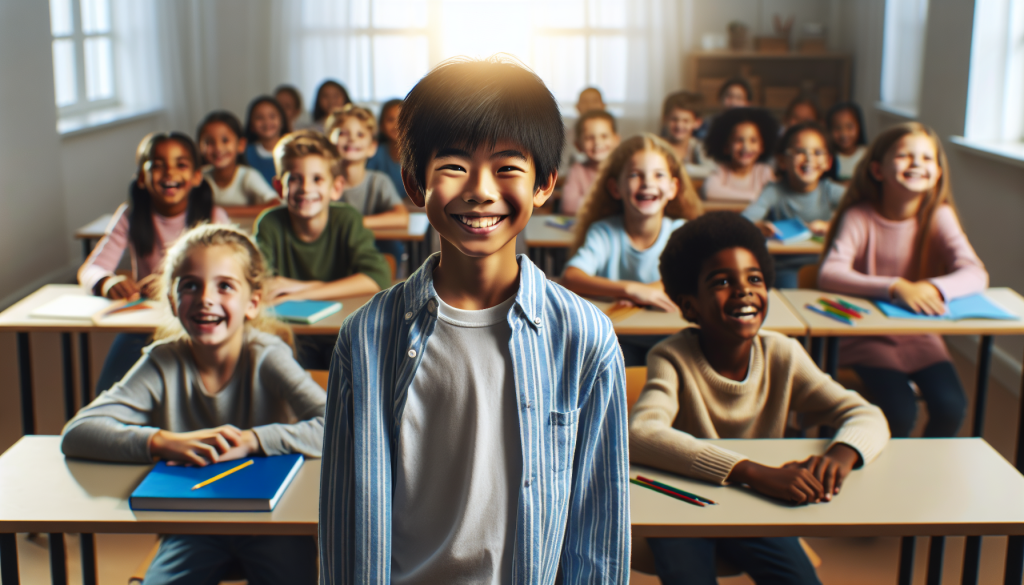
The Art of Making People Laugh
In every classroom, there’s often one student who stands out not because of academic excellence or athletic prowess, but for their unique ability to make others laugh. The class clown, with their quick wit and knack for humor, plays a significant role in the social dynamics of a classroom. But beyond the surface-level jokes and pranks, there’s a deeper artistry to making people laugh. Humor, when wielded skillfully, is a powerful form of expression and connection.
1. The Social Role of the Class Clown
The class clown often serves as the social glue in a group, using humor to bring people together. In the high-stress environment of school, laughter provides a much-needed release. The class clown’s ability to diffuse tension, lift spirits, and foster camaraderie is invaluable. They create a sense of community and inclusivity, making everyone feel like part of the group.
2. Humor as a Creative Expression
Like any art form, humor requires creativity and imagination. The class clown must think on their feet, crafting jokes and gags that resonate with their audience. This improvisational skill is akin to a jazz musician riffing on a theme, or a painter creating an abstract work. It’s a spontaneous and dynamic process that involves timing, intuition, and an understanding of the audience.
3. The Psychology Behind the Laughter
Humor taps into complex psychological processes. It often involves the subversion of expectations—presenting something familiar in an unexpected way. This twist on reality requires a nuanced understanding of social norms and human behavior. The class clown’s ability to read a room and tailor their humor accordingly is a testament to their perceptiveness and emotional intelligence.
4. Humor and Emotional Resilience
For the class clown, humor can also be a coping mechanism. It allows them to navigate social hierarchies and manage personal anxieties. By making others laugh, they gain social acceptance and build a shield against criticism or rejection. This resilience, honed through humor, is a powerful tool that can help them throughout their lives.
5. Humor as a Teaching Tool
Teachers often recognize the value of humor in the classroom. A well-timed joke can make a lesson more engaging and memorable. The class clown’s humor can complement teaching by making the learning environment more enjoyable and less intimidating. When used appropriately, humor can enhance educational outcomes and make the classroom a vibrant, dynamic space.
6. The Risks and Responsibilities
While the class clown plays an important role, it’s crucial to strike a balance. Humor should never come at the expense of others’ feelings or create a disruptive environment. Responsible humor is about lifting others up, not tearing them down. It’s about knowing when to be funny and when to be serious, ensuring that laughter enhances the classroom experience rather than detracting from it.
7. Cultivating the Art of Humor
Encouraging the class clown to develop their comedic talent can be beneficial. Drama clubs, improv classes, and talent shows provide structured outlets for humor and creativity. These activities can help them refine their skills, learn about the art of performance, and understand the impact of their humor.
Conclusion
The class clown’s ability to make people laugh is more than just a talent; it’s an art form that enriches the social fabric of the classroom. Humor fosters connection, relieves stress, and enhances learning. By recognizing and nurturing this unique form of creativity, we can help the class clown harness their gift in a positive and impactful way. Laughter, after all, is a universal language that brings us closer together, and those who master its art hold a special place in our hearts and memories.
 arthappykids.com