Introduction
My children and I love to explore art from around the world! In this post, I wanted to highlight some regions from Africa that captured my attention and the amazing activities that you can create while immersing yourself and the kids in a different culture.
Africa is a vast and diverse continent with a rich tapestry of cultures, languages, and histories. One of the most exciting ways to explore this diversity is through art. African art is not only beautiful but also tells stories about the people, their beliefs, and their way of life. Today, we’ll embark on a journey through different regions of Africa, discovering the unique art styles of each area and trying out some fun DIY projects to bring these art forms to life!
West African Masks: Symbols of Tradition and Spirit
History and Significance
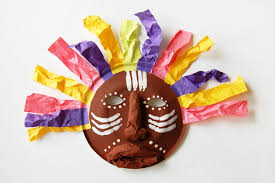
In West Africa, masks are more than just decorative items; they are powerful symbols used in rituals and ceremonies. The masks often represent spirits, ancestors, or animals and are believed to have the power to communicate with the spiritual world. The intricate designs and materials used in these masks reflect the rich cultural heritage of the region.
DIY Project: Create Your Own West African Mask
Materials:
- Cardboard or thick paper
- Scissors
- Paints and brushes
- Feathers, beads, and fabric scraps
- Glue
Instructions:
- Cut out a mask shape from the cardboard.
- Use paints to decorate the mask with vibrant colors and patterns.
- Glue on feathers, beads, and fabric scraps to add texture and detail.
- Let your mask dry and then try it on. Imagine the stories it could tell!
East African Tinga Tinga Art: Colorful Tales of Wildlife

History and Significance
Tinga Tinga art originated in Tanzania and is known for its bright colors and whimsical depictions of animals. Named after its creator, Edward Said Tingatinga, this art style uses simple shapes and bold colors to create lively and enchanting scenes of African wildlife.
DIY Project: Paint Your Own Tinga Tinga Animal
Materials:
- Canvas or thick paper
- Acrylic paints
- Dot markers
- Paintbrushes
- Pencil for sketching
Instructions:
- Sketch a simple outline of your favorite African animal on the canvas.
- Use bright colors to fill in the shapes, mimicking the bold style of Tinga Tinga art.
- Add details like spots, stripes, and patterns to make your animal come to life.
- Let your painting dry and proudly display it!
North African Geometric Patterns: Mathematical Beauty
History and Significance
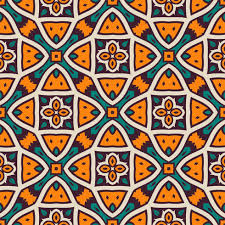
North African art, especially from countries like Morocco and Egypt, is famous for its intricate geometric patterns. These designs, often found in architecture, textiles, and pottery, use complex mathematical principles to create mesmerizing, repeating patterns. They reflect the beauty of order and symmetry.
DIY Project: Design Your Own Geometric Tile
Materials:
- Square ceramic tile or thick cardboard
- Ruler
- Pencil
- Paints and brushes
- Varnish (optional for a glossy finish)
Instructions:
- Use a ruler and pencil to draw a geometric pattern on your tile or cardboard. Start with simple shapes like squares, triangles, and hexagons.
- Paint the shapes in different colors, ensuring clean lines and symmetry.
- Let your tile dry. If you used a ceramic tile, you can add a coat of varnish for a glossy finish.
- Use your tile as a coaster or decoration, and marvel at the mathematical beauty of your creation!
Southern African Rock Art: Ancient Stories on Stone

History and Significance
Southern Africa is home to some of the world’s oldest rock art, created by the San people thousands of years ago. These paintings and carvings, found on rock surfaces, depict scenes of daily life, hunting, and spiritual rituals. They offer a glimpse into the lives and beliefs of ancient communities.
DIY Project: Create Your Own Rock Painting
Materials:
- Smooth stones or pebbles
- Acrylic paints
- Paintbrushes
- Fine-tip markers (optional)
Instructions:
- Select a smooth stone as your canvas.
- Use acrylic paints to create scenes inspired by San rock art, such as animals, hunters, and abstract symbols.
- Allow your painting to dry. You can use fine-tip markers for adding smaller details.
- Display your rock painting as a piece of ancient-inspired art!
Conclusion
Art is a window into the soul of a culture, and African art is no exception. By exploring the diverse artistic traditions of different regions of Africa and engaging in these DIY projects, we not only learn about history but also celebrate the creativity and spirit of its people. So grab your materials and let your imagination take you on a colorful journey through African art history!
 arthappykids.com