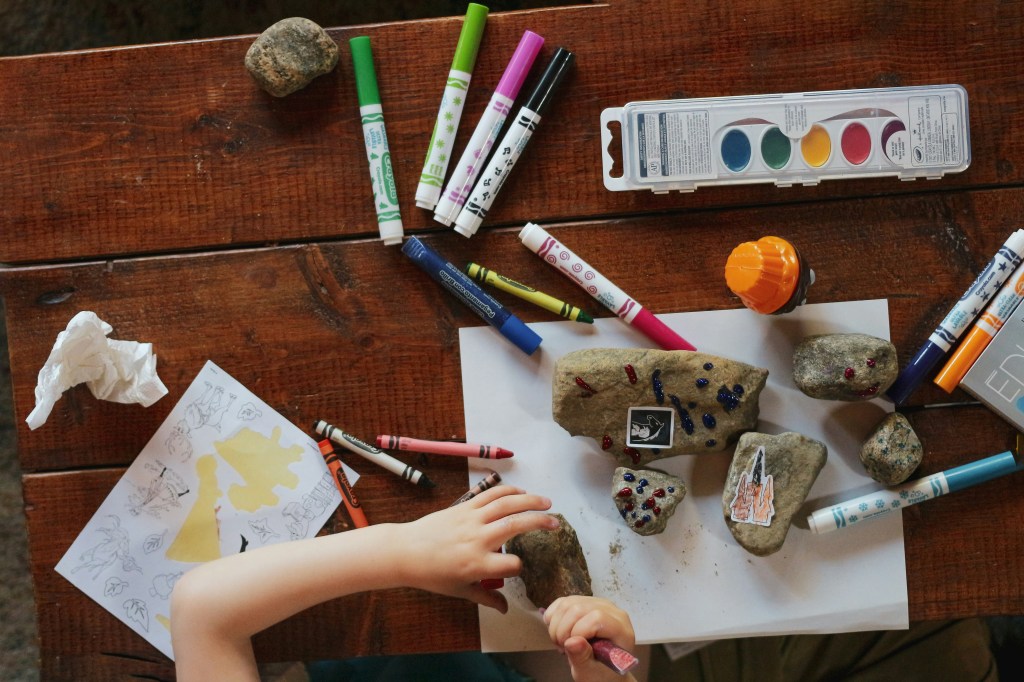
Art can be a powerful tool as a conversation starter with children because it serves as a tangible and visually stimulating medium that engages their curiosity, creativity, and imagination. Here’s how art can initiate conversations with children:
1. Visual Engagement: Art captures children’s attention with its vibrant colors, interesting shapes, and intriguing textures. Whether it’s a painting, drawing, sculpture, or collage, art provides a captivating visual stimulus that prompts children to observe and explore.
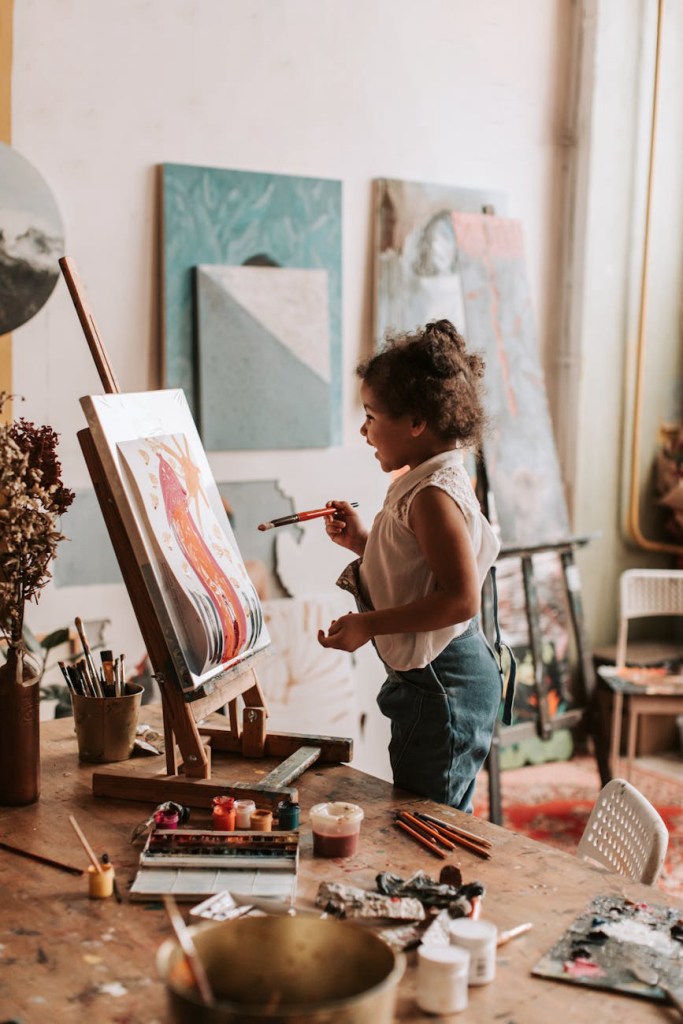
2. Expressive Interpretation: Art encourages children to interpret and express their thoughts, feelings, and ideas. When presented with a piece of artwork, children may share their interpretations, emotions, or personal connections to the imagery, initiating conversations about their observations and reactions.
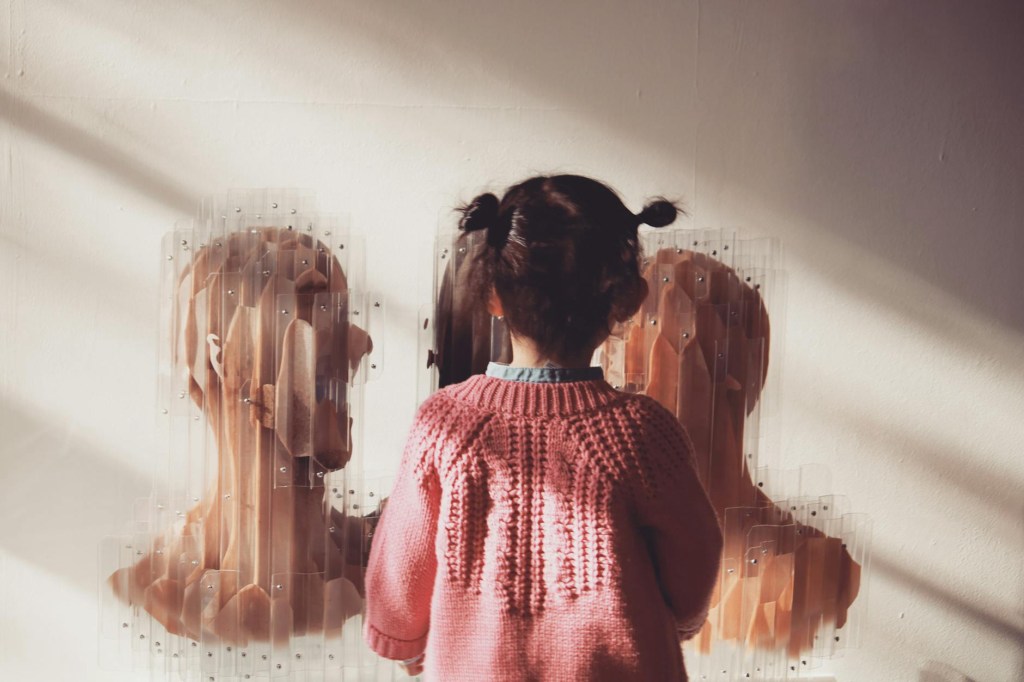
3. Imaginative Storytelling: Art inspires storytelling and imaginative play. Children often create stories or narratives based on the images, characters, or scenes depicted in the artwork. These imaginative stories become a springboard for conversations about the characters, plotlines, and creative twists and turns.
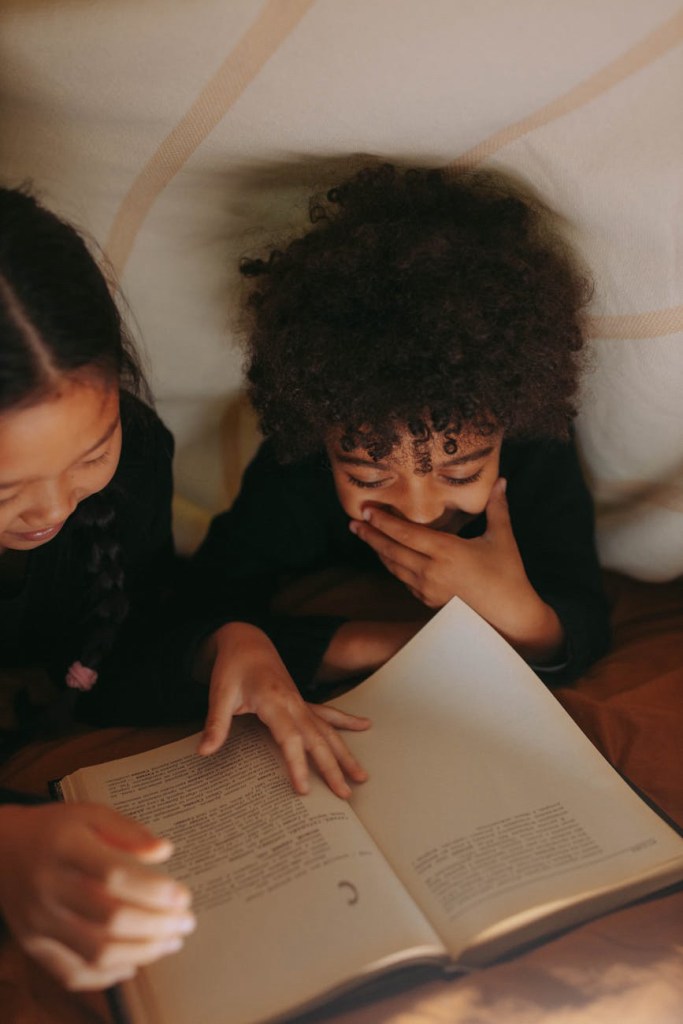
4. Curiosity and Inquiry: Engaging with art stimulates children’s curiosity and prompts them to ask questions. They may inquire about the artist’s techniques, the choices made in the artwork, or the meanings behind the imagery, leading to conversations that encourage exploration, discovery, and learning.
5. Personal Connection: Art provides a platform for children to express themselves and share their experiences. Children may create artwork that reflects their interests, experiences, and emotions, prompting conversations about their personal interests, hobbies, and feelings.
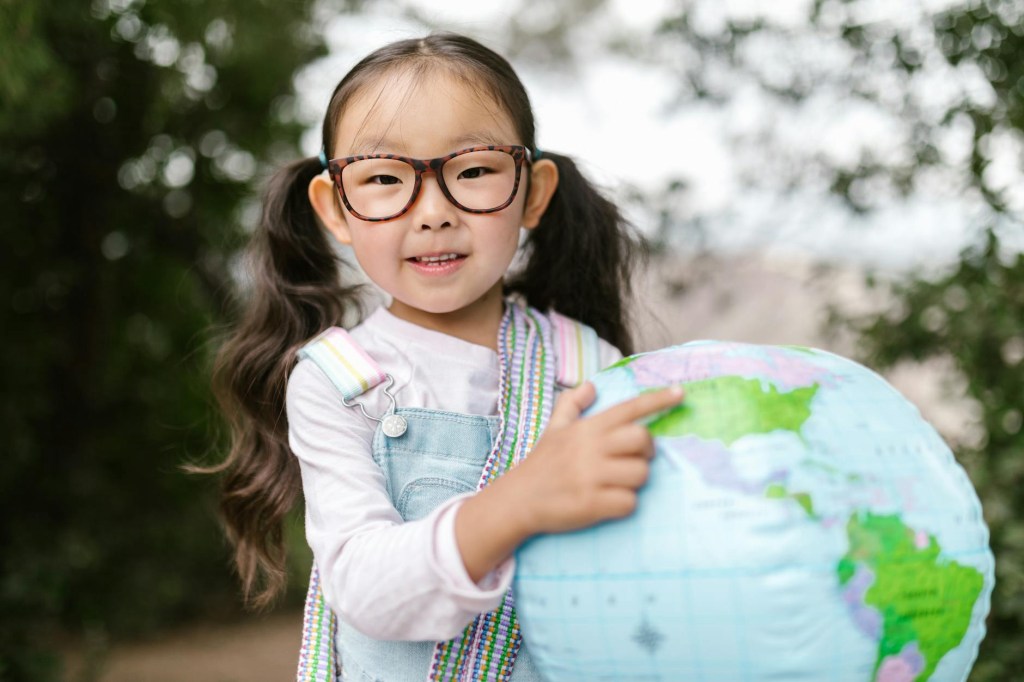
6. Cultural Exploration: Art exposes children to diverse cultures, perspectives, and traditions. By exploring art from different cultures, historical periods, and artistic styles, children gain insights into the world around them and develop an appreciation for diversity, leading to conversations about culture, identity, and global connections.
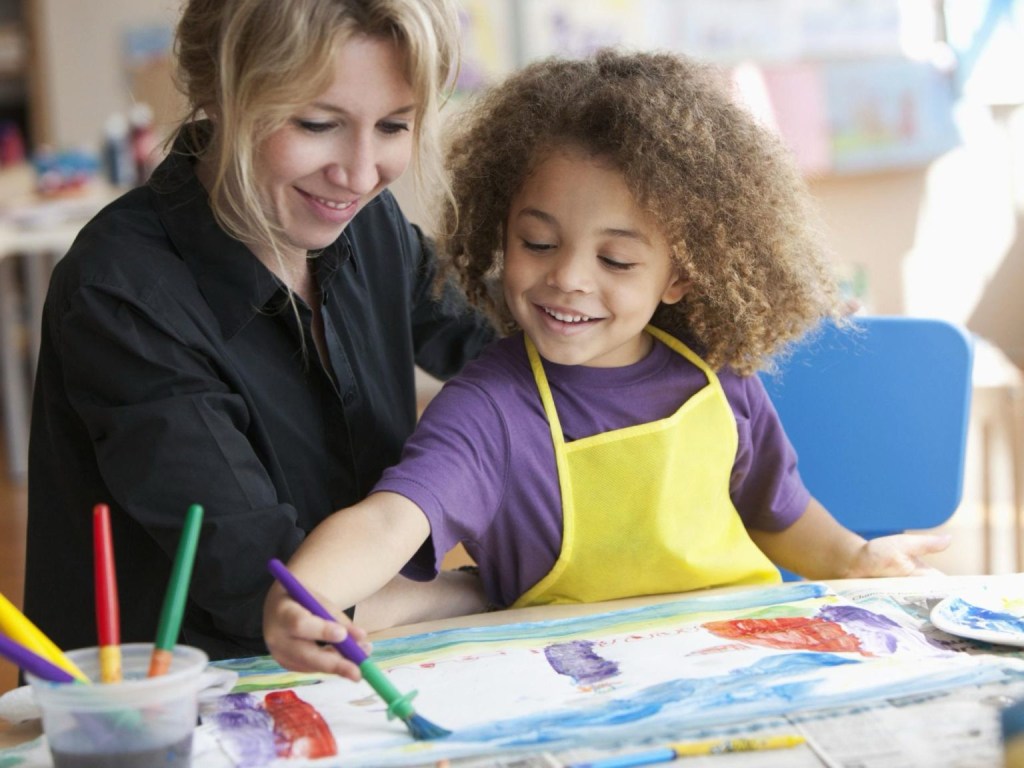
7. Shared Experience: Engaging in art activities together creates opportunities for shared experiences and conversations between children and adults. Whether painting, drawing, or crafting, the collaborative process fosters communication, cooperation, and bonding, strengthening relationships and deepening connections.

8. Encouragement and Support: Discussing children’s artwork provides an opportunity for adults to offer encouragement, praise, and constructive feedback. Positive reinforcement and validation of children’s artistic efforts boost their confidence and self-esteem, motivating them to continue exploring their creativity and expressing themselves through art.
 arthappykids.com