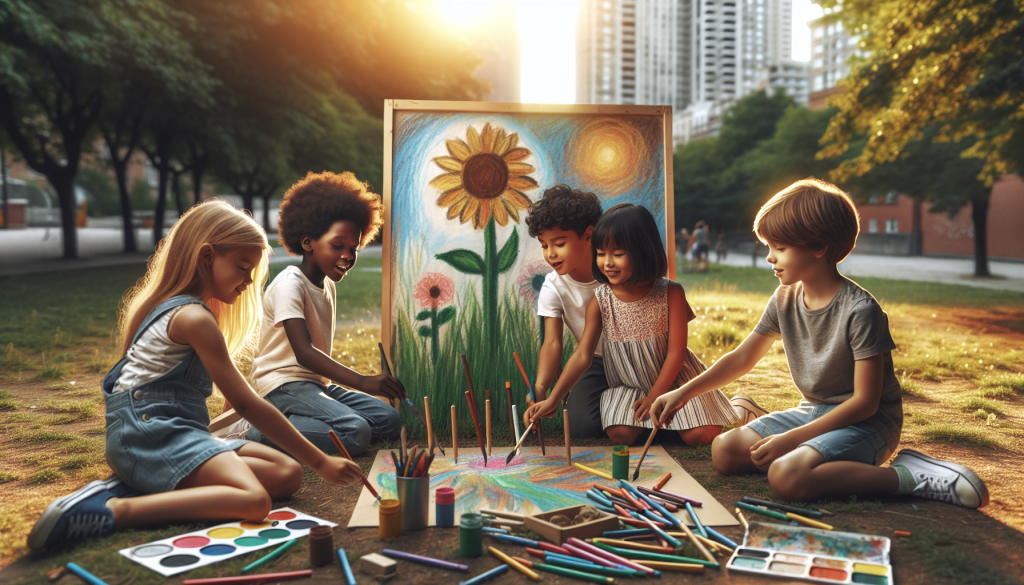
1. The Freedom of Expression: Art provides children with a unique platform for self-expression. Unlike verbal communication, which can sometimes be challenging for children, art allows them to express themselves freely without constraints.
2. Emotional Release: It serves as a channel for emotional release. Children often face a wide range of emotions, from joy and excitement to sadness and frustration. Through art, they can externalize these emotions and gain a better understanding of them.

3. Communication and Connection: Art enables children to communicate with others and form connections. Whether through sharing their artwork with peers or collaborating on group projects, children can build bonds and foster empathy through artistic expression.
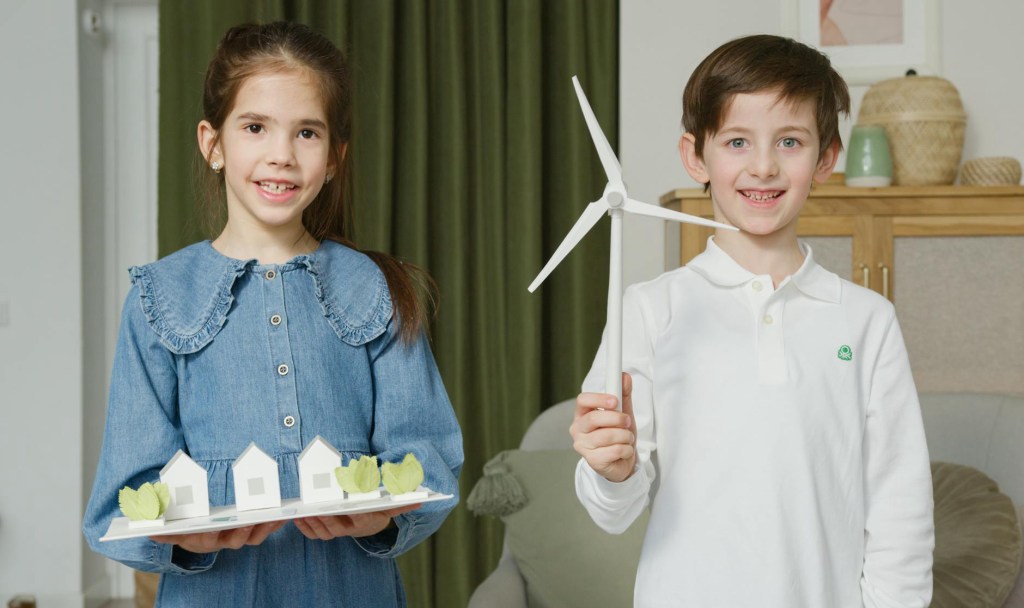
4. Development of Identity: Engaging in art helps children develop their sense of identity. By exploring different styles, techniques, and subjects, children can discover what resonates with them and express their unique perspectives and interests.

5. Problem Solving and Creativity: Art encourages children to think creatively and problem-solve. When faced with a blank canvas or a mound of clay, children are challenged to experiment, innovate, and find solutions, fostering valuable skills for lifelong learning.
6. Building Confidence: Creating art boosts children’s confidence and self-esteem. As they see their ideas come to life and receive positive feedback from others, children gain a sense of pride in their abilities and are encouraged to continue exploring their creativity.
 arthappykids.com